My Vet Says I Should Feed The Prescription Diet
Posted by Jewel on Mar 19, 2026
There comes a moment for many pet parents when something just doesn’t feel right. You’re doing everything you’ve been told to do, following the recommendations, buying the “best” food your vet suggests, and yet your pet’s health still seems to be slipping.
This is often where the conversation around prescription pet food begins.
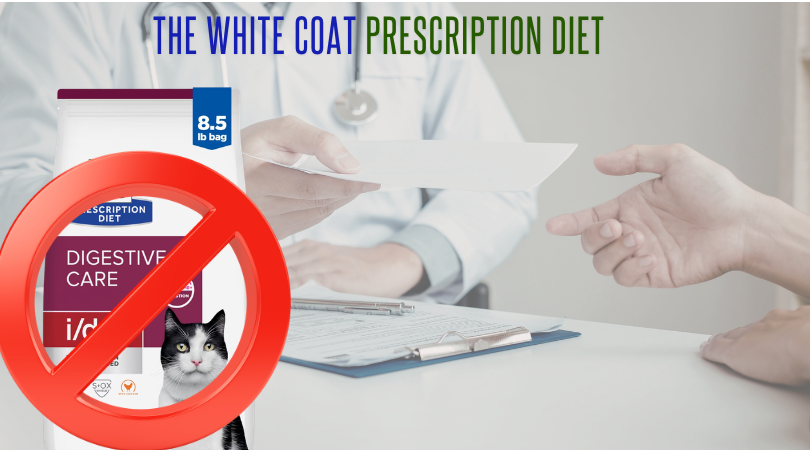
These diets are commonly recommended for conditions like kidney issues, urinary problems, and chronic illness. They are presented as highly specialized, science-backed solutions designed to manage disease. And many loving pet parents invest in them, trusting that they are doing the very best for their animals.
But when we slow down and take a closer look, an important question arises.
What is actually in these foods kibble or canned?
Most prescription diets are still built on the same foundation as conventional canned or kibble. They often contain ingredients like corn, wheat, soy, peas, rice, and starches. These are inexpensive, carbohydrate-heavy fillers that are far removed from what dogs and cats are naturally designed to eat.
Cats are obligate carnivores. Dogs are also primarily carnivorous by design. Their bodies are built to thrive on animal-based nutrition rich in protein, fats, moisture, and naturally occurring nutrients. They were not designed to rely on processed carbohydrates as a primary food source.
In nature, animals consume whole prey. Any plant matter they ingest comes indirectly, already broken down within the digestive tract of that prey. Their systems are not meant to process large amounts of grains or starches. When we feed these foods consistently, it can place extra strain on digestion and metabolism over time.
Another important piece that is often overlooked is moisture.
Kibble is dry. It contains very little water. Yet the body relies on hydration for nearly every function, especially for the kidneys and urinary system. When animals eat primarily dry food, they must pull water from their own bodies to digest it. Over time, this can contribute to stress on the kidneys and urinary tract.
This is where many pet parents begin to rethink things.
When fresh, species-appropriate food is introduced, something shifts. Raw whole foods provide natural moisture, bioavailable nutrients, and nourishment that the body recognizes. Many people begin to notice improvements in energy, digestion, coat quality, and overall vitality. In some cases, issues like urinary crystals or imbalances begin to resolve as the body returns to a more natural state.
This is not about blaming veterinarians. Most veterinarians are deeply caring and dedicated to helping animals. However, their training often focuses more on diagnosing and managing disease rather than on nutrition as a foundation for health. Much of the information around therapeutic diets comes directly from the same companies that produce the food.
So instead of placing blame, we step into awareness.
We begin asking better questions.
What is my pet actually designed to eat?
Is this food supporting true health, or simply managing symptoms?
Does this align with nature, or with convenience and marketing?
Holistic pet care invites us to look deeper. It encourages us to move beyond quick fixes and into a more foundational understanding of health. It reminds us that the body has an incredible ability to heal and rebalance when given the right support.
Food is not just calories. It is information. It tells the body how to function, how to repair, and how to maintain balance.
When we return to feeding real, whole, species-appropriate foods, we are not doing something extreme. We are simply remembering what has always worked.
This path does not require perfection. It begins with awareness, small changes, and a willingness to trust what we observe in our own animals.
Because in the end, true health is not created in a bag or a prescription label.
It is built, day by day, through nourishment that honors the natural design of the animal.
And that is where the real transformation begins.