Why Dogs and Cats Are Dying of Chronic Disease
Posted by Jewel on Aug 15, 2026
A whole-being look at the cumulative burdens affecting our pets
Something is happening to our dogs and cats, and loving pet parents can feel it. Animals are developing allergies, digestive problems, autoimmune conditions, diabetes, kidney disease, arthritis, seizures, heart disease, and cancer at ages that leave families shocked and heartbroken. We are spending more on pet care than ever before, yet too many animals are living with ongoing illness rather than true vitality.
Why is this happening?
I do not believe there is one single cause. Chronic disease is rarely that simple. I believe it is the result of many small burdens accumulating over time until the body can no longer adapt. Poor-quality food, chemical exposure, repeated medications and vaccinations, unnecessary or poorly timed interventions, emotional stress, lack of natural movement, and an energetically depleted home can all add weight to the same system.
Think of the body as a clear, flowing river. One small branch may not stop the water. A little mud may not stop it either. But when branches, trash, chemicals, and debris continue to collect, the river slows and eventually becomes stagnant. Chronic disease can develop in a similar way. The final diagnosis may appear suddenly, but the imbalance may have been building quietly for years.
This is why wellness is not simply the absence of a diagnosis. True wellness is vitality. It is bright eyes, a healthy appetite, clean teeth, fresh breath, comfortable digestion, a shiny coat, natural energy, emotional balance, and a strong life force.
We Have Moved Too Far Away from Nature
Dogs and cats did not evolve eating highly processed pellets from a bag. Cats are obligate carnivores, meaning their bodies are designed to receive the nutrients found in animal tissue. Dogs are also built around a meat-based, species-appropriate diet. Yet many pets eat the same dry, highly processed food every day for their entire lives.
Processing changes food. High heat, long storage, rendered ingredients, artificial flavors, preservatives, dyes, and large amounts of starch can create a diet that may meet minimum nutrient standards on paper while still lacking the freshness, moisture, enzymes, and living quality found in real food.
The body cannot build vibrant cells from depleted materials. Food is not merely fuel. Food becomes blood, tissue, hormones, immune cells, and energy. When we feed an animal in a way that honors its natural design, we give the body better building blocks for repair and resilience.
This is why I have supported species-appropriate raw feeding for decades. A properly planned raw or fresh-food diet provides natural moisture and recognizable whole-food nutrition. Not every animal can change overnight, especially one with a fragile digestive system. A gentle transition may be needed. The principle is simple: move away from lifeless, overly processed food and toward fresh, appropriate nourishment whenever possible.
The Gut and Immune System Are Deeply Connected
Much of the body's defense system is connected to the digestive tract. When digestion is chronically irritated, the entire animal may become more reactive and less resilient. Gas, loose stools, constipation, yeasty ears, itchy skin, repeated infections, and poor appetite should not always be treated as unrelated problems. They may be different expressions of an animal whose foundation needs support.
Repeated antibiotics, processed diets, stress, and chemical exposure may disturb the community of beneficial organisms living in the gut. When that inner ecosystem loses balance, the body may have more difficulty digesting food, absorbing nutrients, and responding appropriately to challenges.
Instead of endlessly silencing each symptom, I believe we should ask what the symptom is trying to tell us. The body is not betraying the animal. It is communicating. It may be saying that the food is wrong, the burden is too heavy, the environment is irritating, or the animal needs deeper nourishment and rest.
The Cumulative Chemical Burden
Our pets live close to the floor, walk barefoot through treated grass, lick their paws, breathe household fragrances, sleep on chemically cleaned surfaces, and groom substances from their coats. Their bodies may encounter lawn products, flea and tick pesticides, air fresheners, scented laundry products, disinfectants, herbicides, smoke, plastics, and contaminants in food and water.
One exposure may appear small, but the body has to process everything that enters it. The liver, kidneys, lymphatic system, skin, lungs, and digestive tract all participate in clearing waste. When new exposures arrive faster than the body can process and eliminate them, the animal's total burden increases.
This does not mean we need to become afraid of everything. Fear lowers the frequency of the home and does not help us make wise choices. It means we become conscious. We read labels. We stop using chemicals automatically. We ventilate the home, choose gentler cleaning products, avoid unnecessary fragrances, keep food and water bowls away from sprays, and use the least toxic approach that can do the job.
You cannot continually expose the body to the same irritant and expect a supplement to repair everything. First remove what is interfering. Then cleanse, nourish, and protect.
Vaccination Should Never Be Automatic
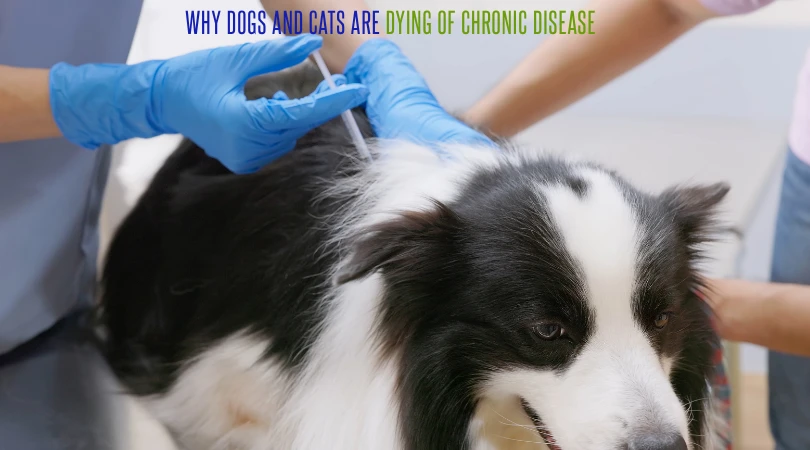
Vaccines are one of the most emotionally charged subjects in pet care. Even though I personally do not vaccinate, it is an individual choice. My concern has always been the routine, repeated, one-size-fits-all approach, especially when several vaccines are given together without looking closely at the individual animal.
A tiny dog, a senior dog, an indoor cat, an animal with autoimmune disease, and a healthy outdoor animal do not all live the same life or carry the same risks. Health status, age, size, previous reactions, exposure, local disease patterns, and legal requirements all matter. Even conventional vaccination guidelines distinguish between core vaccines and lifestyle-based vaccines and support individual risk and benefit decisions.
From my holistic perspective, every medical intervention asks the immune system to respond. That does not prove that a vaccine caused a particular chronic disease, and chronic illness should not be reduced to one explanation. It does mean we should stop treating vaccination like a harmless annual ritual that requires no thought.
Pet parents can ask which vaccines are truly necessary, why they are being recommended, whether they need to be given together, whether the animal is healthy enough at that moment, and whether antibody titer testing may provide useful information for certain diseases. Titers measure antibodies in the blood, although they do not replace every legal requirement, including rabies laws.
My message is not fear. It is informed choice. Protect the animal in front of you, not an imaginary average animal.
Suppressing Symptoms Is Not the Same as Restoring Health
Modern veterinary medicine can be lifesaving. When an animal is bleeding, struggling to breathe, having seizures, poisoned, badly injured, unable to urinate, collapsing, or suffering from a severe acute infection, diagnostics, surgery, medication, oxygen, fluids, and emergency care may be essential.
But chronic disease asks a different question. If a dog has recurring ear infections, repeated steroid treatment may reduce the inflammation for a while, but why does the problem keep returning? If a cat has constant digestive trouble, what is irritating the gut? If a pet's skin erupts every season, what is creating the internal reactivity? If we only silence the warning light without looking under the hood, the original imbalance may continue.
Medications can have an important place, but every medication also places a demand on the body. When one drug leads to another drug to manage the effects of the first, it is time to step back and look at the whole picture. The goal should not be to reject all medicine. The goal should be to use it consciously while rebuilding the foundations of health.
Emotional Energy Is Part of the Environment
Our animals do not live separate from us. They live inside our homes, our routines, our relationships, and our emotional fields. They feel tension, grief, anger, fear, hurry, and conflict. They also feel peace, gratitude, laughter, affection, safety, and love.
I often describe pets as little antennas. They sense what is happening beneath our words. They may not understand the story, but they feel the vibration the story creates. Some animals appear to mirror the nervous energy of the home or carry emotional patterns alongside the people they love.
This does not mean you caused your pet's illness. Illness is complex, and guilt is another heavy burden. It means that changing the emotional atmosphere can become part of supporting the animal. A calm voice, predictable routines, quiet rest, loving touch, fresh air, sunshine, time in nature, gentle movement, play, and true connection all matter.
A high-vibe pet begins with a high-vibe home. This does not require perfection. It asks for awareness and a willingness to choose again.
The Invisible Environment Matters Too
Health includes more than food and chemicals. Light, sound, sleep, fresh air, contact with the earth, and the energetic quality of the home also shape an animal's daily experience.
Many pets spend most of their lives indoors under artificial light, surrounded by constant noise, wireless devices, screens, electrical equipment, and human busyness. Scientific understanding of every possible long-term effect is still developing, so I do not present frequency and vibration as a medical diagnosis. I use these words to describe the unseen atmosphere in which life unfolds.
We can still make simple, gentle choices. Turn off unnecessary devices at night. Create a quiet sleeping area. Open a window when the weather allows. Let safe sunlight enter the home. Offer time outside on natural ground. Use peaceful music, prayer, meditation, and loving intention to change the feeling of the space.
The body knows the difference between constant stimulation and true rest. Healing requires moments when the nervous system can soften.
Build Vitality Instead of Waiting for Disease
Conventional care often begins after a symptom becomes strong enough to name. Natural care begins much earlier. It notices the dull coat, the recurring odor, the stiff movement, the changing stool, the anxious behavior, the loss of sparkle, and the subtle feeling that the animal is not quite thriving.
This is the heart of prevention. We do not wait for the body to collapse before supporting it. We build vitality through fresh species-appropriate food, clean water, fewer chemicals, healthy digestion, movement, sunlight, rest, emotional safety, and a peaceful home.
Herbs, homeopathy, probiotics, digestive support, medicinal mushrooms, and other natural tools may be used thoughtfully as part of this wider foundation. Colloidal silver is also one of the supportive tools I have used in my own natural-care practice. But no product can replace the basics. A supplement should support a healthy pattern, not become a way to continue an unhealthy one.
Health is not something we force onto the body. We create the conditions in which the body's natural wisdom can work.
There Is No Place for Blame
Most pet parents have made choices based on the information they were given. They bought the food with the healthiest-looking package. They followed reminders because they wanted to protect their animals. They used chemical products because they were told those products were necessary. They trusted professionals because they loved their pets.
By Jewel, Animal Naturopath and Founder of Holistic Pet Care
This conversation is not about shame. It is about awakening.
Once we see that health is cumulative, we understand that healing choices are cumulative too. One cleaner meal matters. One less chemical matters. A bowl of clean water matters. A peaceful walk matters. Turning off the noise and sitting quietly with your animal matters. Every choice can either add to the body's burden or add to its life force.
You do not have to change everything in one day. Begin with what you can change now.
A New Path for Pet Care
I believe dogs and cats are suffering from chronic disease because we have moved too far away from their natural design. We have tried to manufacture health through convenience, chemicals, repeated interventions, and symptom control while overlooking food, environment, emotions, energy, and the body's own healing intelligence.
The answer is not to live in fear or reject every part of modern medicine. The answer is to become awake, informed, and responsible. Use emergency medicine when it is truly needed. Ask better questions when a condition is chronic. Look for patterns. Reduce interference. Nourish the body. Support natural immunity. Create peace in the home. Honor the animal as a physical, emotional, energetic, and spiritual being.
Our pets depend on us to make the choices they cannot make for themselves. When we return to nature, simplify their lives, and raise the vibration of the environment we share, we give them something more valuable than another attempt to chase disease. We give them a stronger foundation for life.
That is how we begin raising healthy, happy, HighVibe pets.
A Note About This Perspective
This article shares Jewel's nature-based, whole-being philosophy and is intended for education. Chronic disease has many possible causes, including genetics, age, infection, injury, nutrition, environment, and other factors. Frequency and vibration are used here as spiritual and energetic concepts, not as medical diagnoses. Urgent or severe symptoms require prompt veterinary attention.